Beautiful Weligama: Surf, culture, island views and the riverside stay that completes the journey
A complete guide to the best places, smartest routes and slowest, loveliest moments on Sri Lanka's south coast.
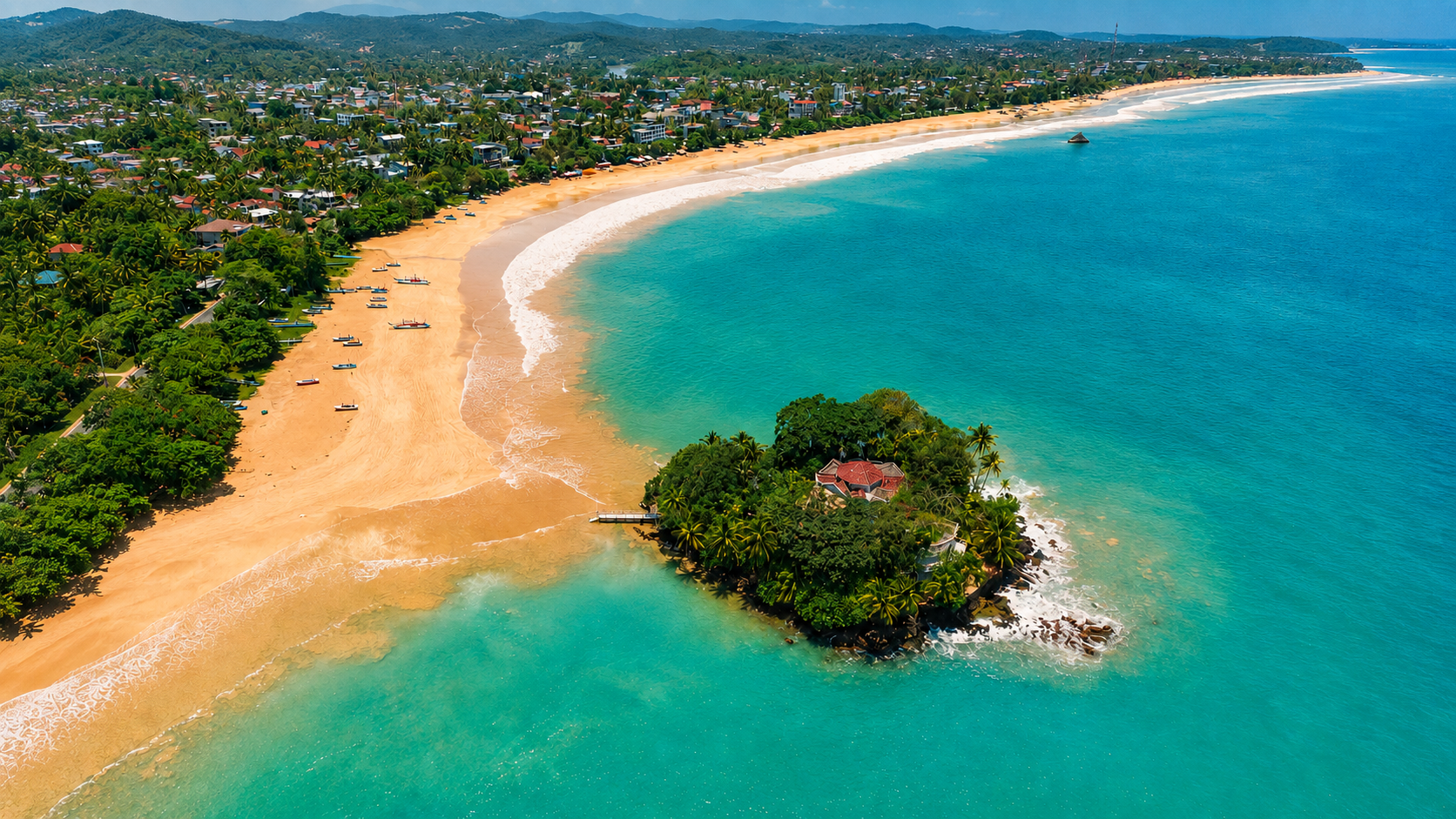
Weligama does not reveal itself all at once. At first, you notice the long curve of sand, surfboards stacked beside the road and the soft green water of the bay.
Stay a little longer and another Weligama appears: fishing boats returning in the morning, an ancient figure carved into rock, a private island wrapped in trees, and a river moving quietly behind the energy of the coast.
The name Weligama means “Sandy Village,” and the town remains one of the south coast's most welcoming introductions. Its sheltered bay is celebrated by beginner surfers; its railway and road links make exploration easy; and Mirissa, Midigama, Koggala, Ahangama and Galle all sit within practical day-trip range.
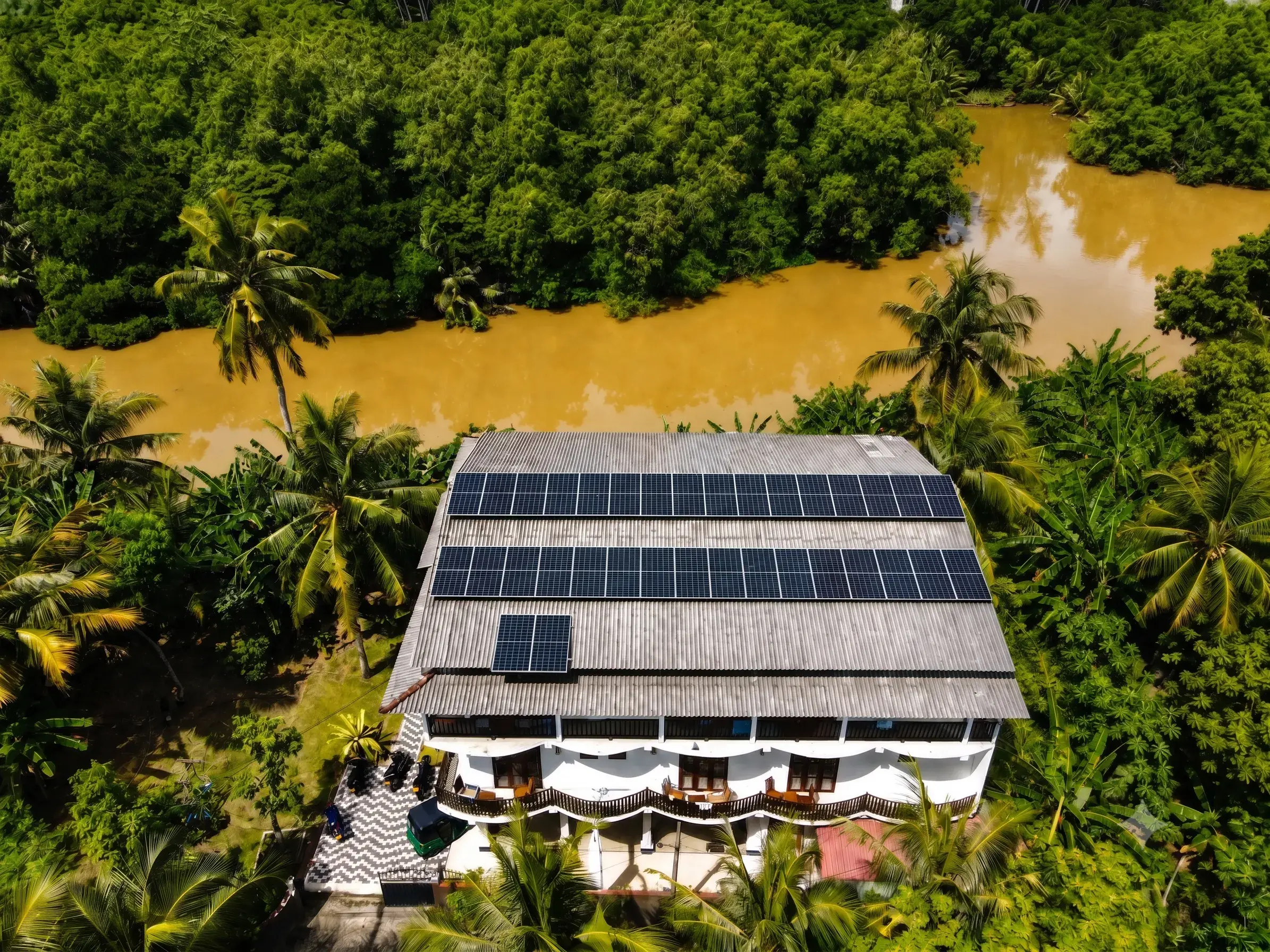
But the best Weligama holiday should not become a race between viewpoints. The coast gives you movement; the river gives you stillness. That is why Riverwood Villa belongs inside the Weligama story—not simply as a bed for the night, but as the place where the journey finally slows enough to be remembered.
First: the best route after arriving in Weligama
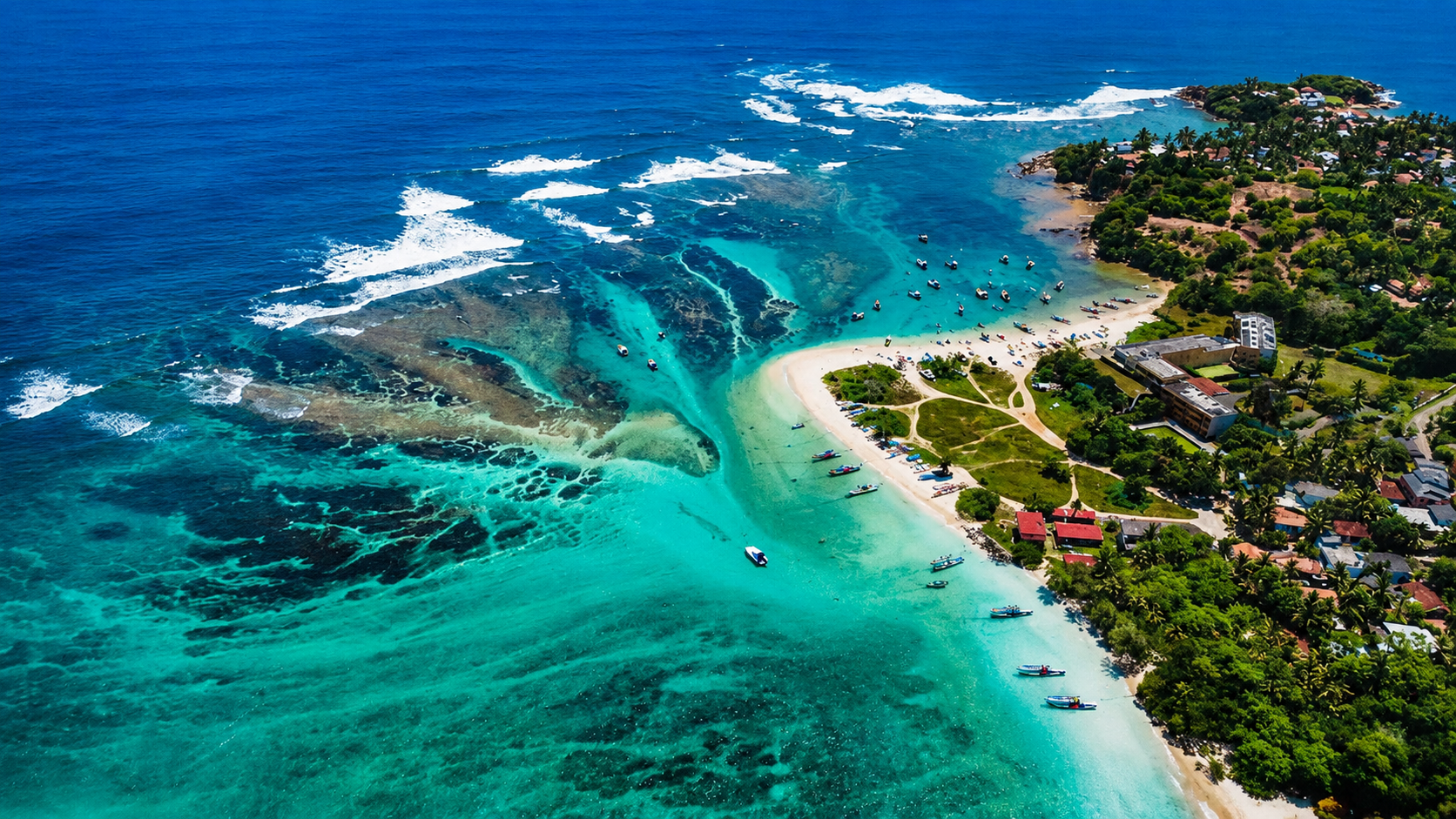
For a first visit, begin close to the bay, move west in one clean line, and return to Riverwood for the evening. This route gives you surf, local life, Weligama's two signature heritage sights and a calm finish without wasting the day in traffic.
Arrive and settle at Riverwood Villa
Drop your bags, open the balcony doors and reset after the journey.
Weligama Bay and Beach
Walk the sand, watch a lesson or take a beginner surf session with a reputable instructor.
Taprobane Island viewpoint
Photograph Weligama's famous tree-covered islet from the shore; access is private and tide-dependent.
Kushtarajagala
Pause at the monumental rock-cut Bodhisattva and see Weligama's cultural depth beyond the beach.
Bay sunset
Return to the beachfront for golden light, fishing boats and surfers coming ashore.
Riverwood Villa
End with a hosted meal, river air and an unhurried evening beside the water.
Arriving in the morning? Reverse the mood rather than the geography: enjoy the bay before the heat builds, return to Riverwood for breakfast or a quiet midday break, then continue to Taprobane and Kushtarajagala in the afternoon.
Why Weligama is important
Weligama is more than a convenient beach stop between Galle and Matara. Several versions of Sri Lanka meet in a small area.
First-time surfers
The broad sandy bay and generally gentler waves make the learning environment more forgiving than many reef breaks.
Culture-minded travellers
Kushtarajagala and nearby temples reveal a much older story than the modern surf scene.
Photographers
Taprobane Island, fishing boats, stilt fishermen, sunsets and daily beach life provide distinctive visual subjects.
Explorers
Weligama sits between the stronger surf breaks of Midigama and the beaches and whale-watching harbour of Mirissa.
Slower travellers
Riverside stays such as Riverwood offer calm, greenery and work-friendly connectivity close to the coast.
The most beautiful and important places to visit
Weligama Bay — the heart of the town
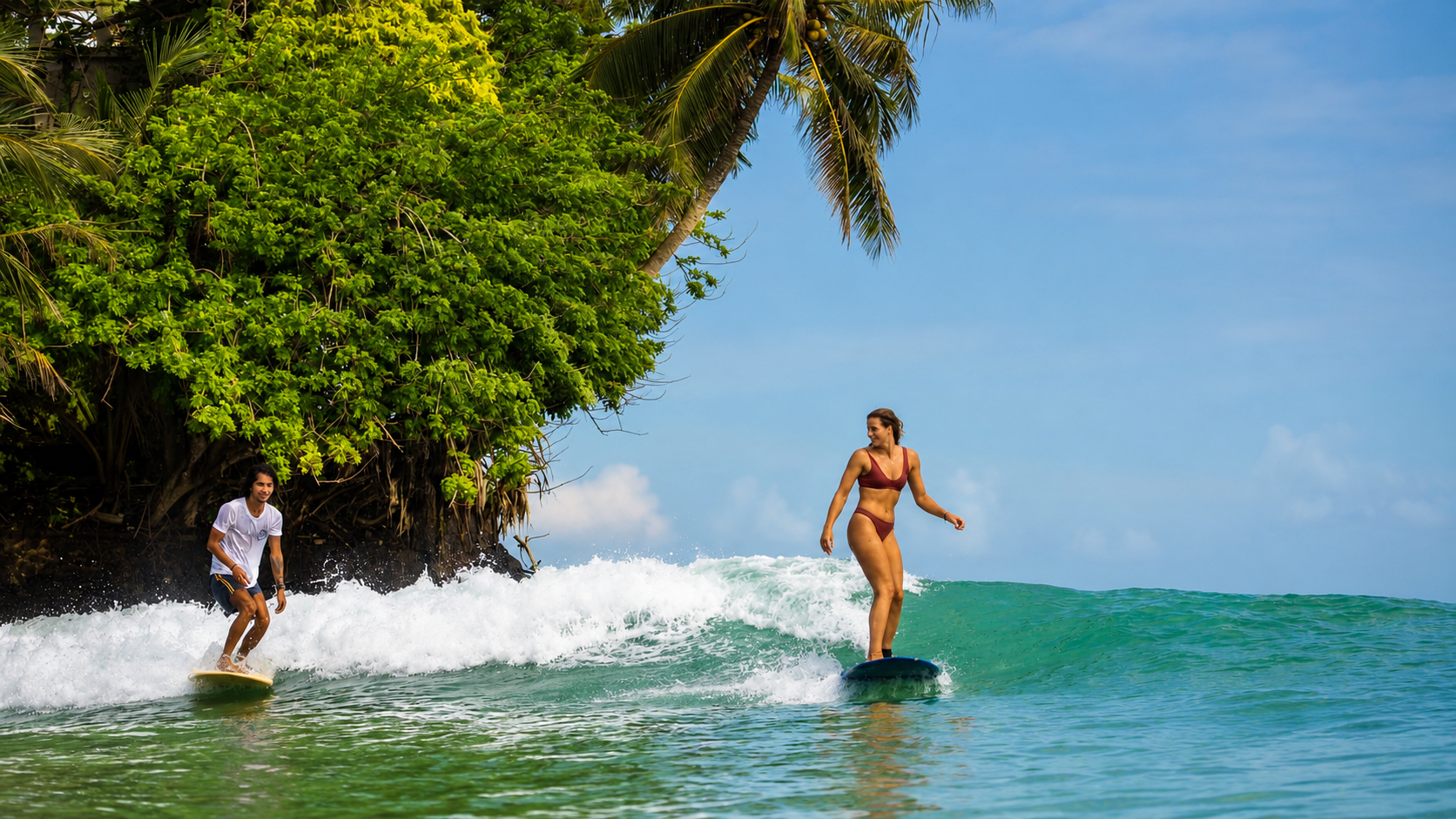
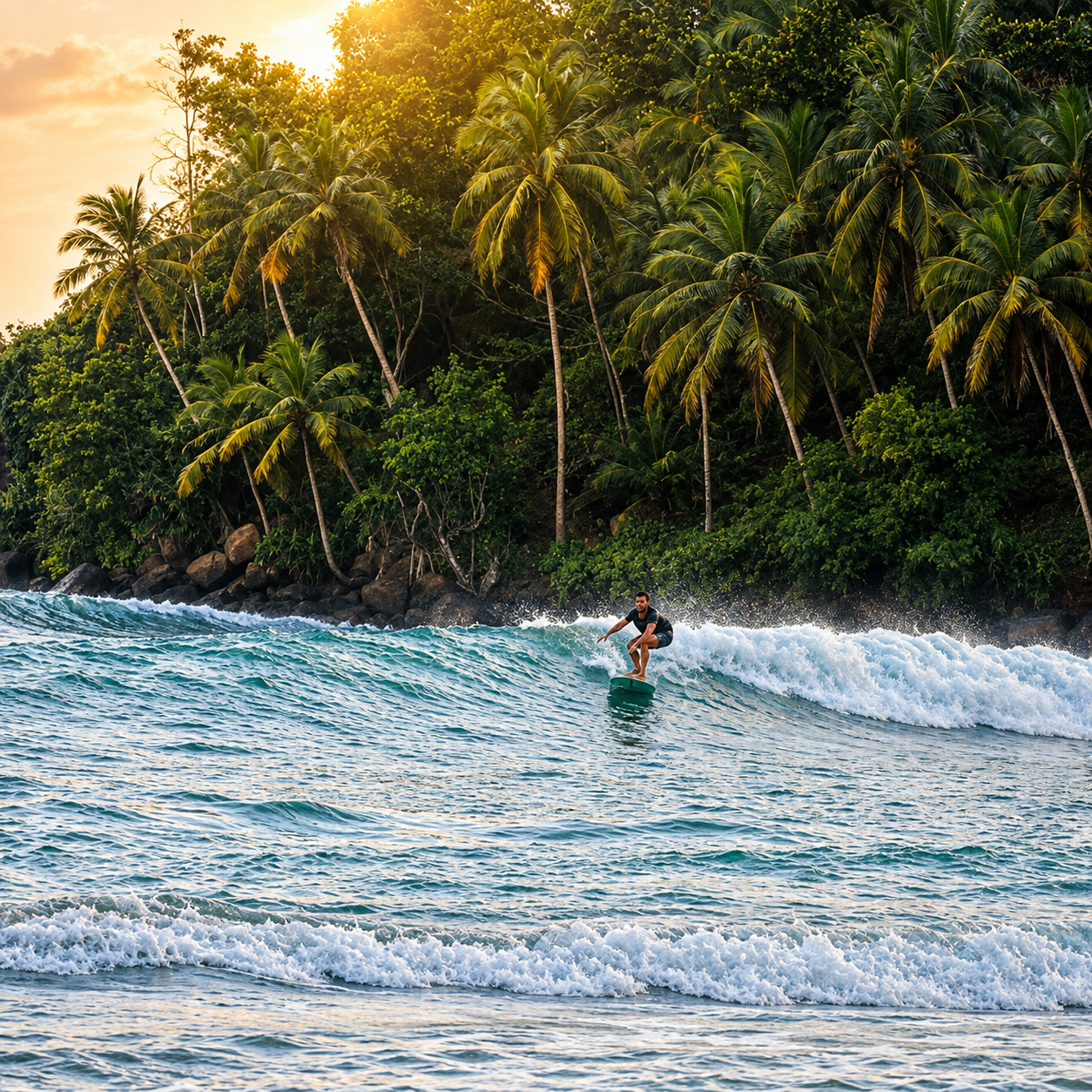
Weligama Bay is the first landscape most visitors remember: a long sandy curve, fishing craft, surf schools and a horizon that changes colour through the day. Its importance is practical as well as beautiful. The bay has become one of Sri Lanka's best-known places to begin surfing because the waves are often gentler and the bottom is sandy.
Taprobane Island — Weligama's postcard
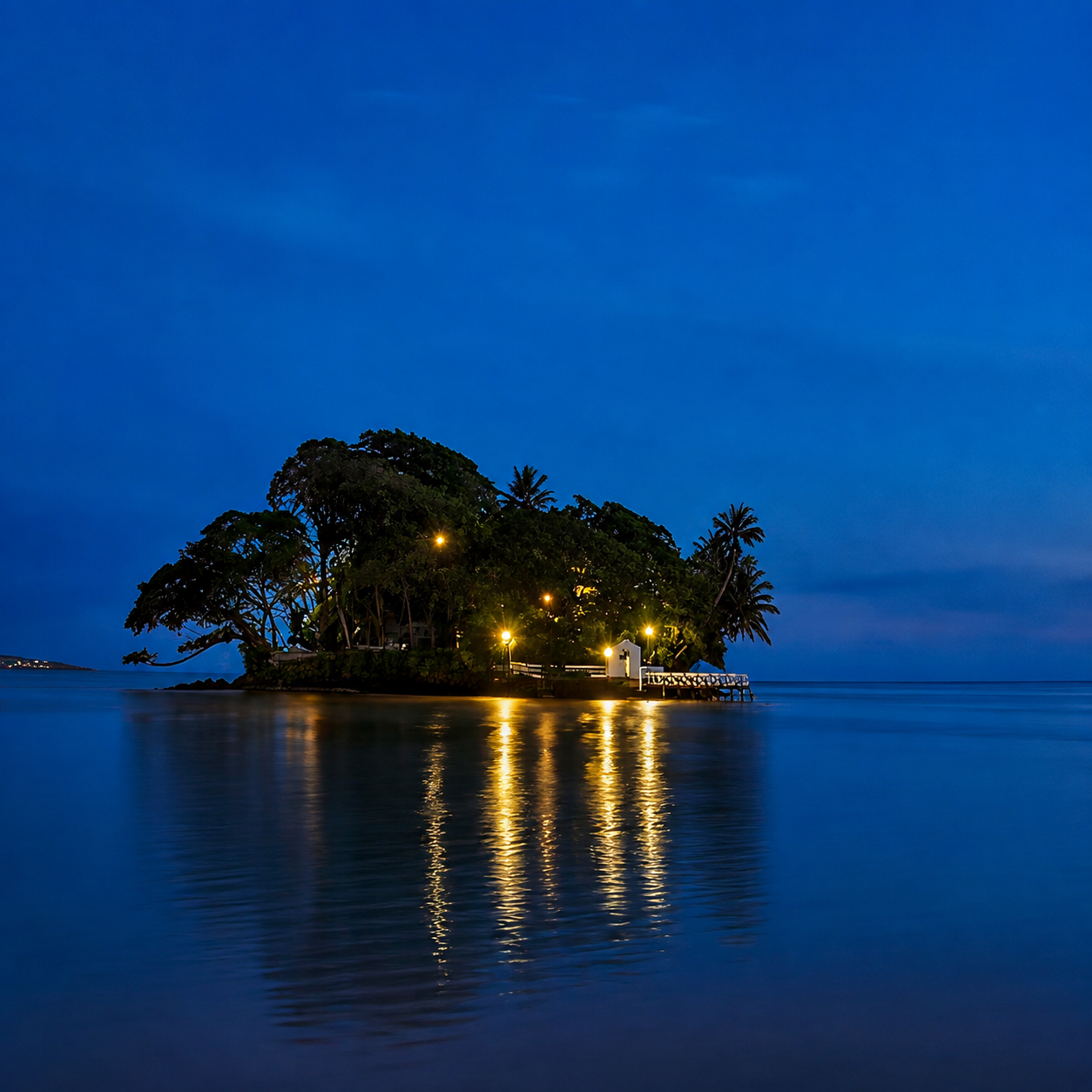
Just offshore, Taprobane looks like a small tropical forest floating on the bay. A villa rises through the foliage, created in the 1930s by Count de Mauny. The island later became associated with writer and composer Paul Bowles, adding literary intrigue to its already cinematic appearance.
Kushtarajagala — the ancient guardian in the rock
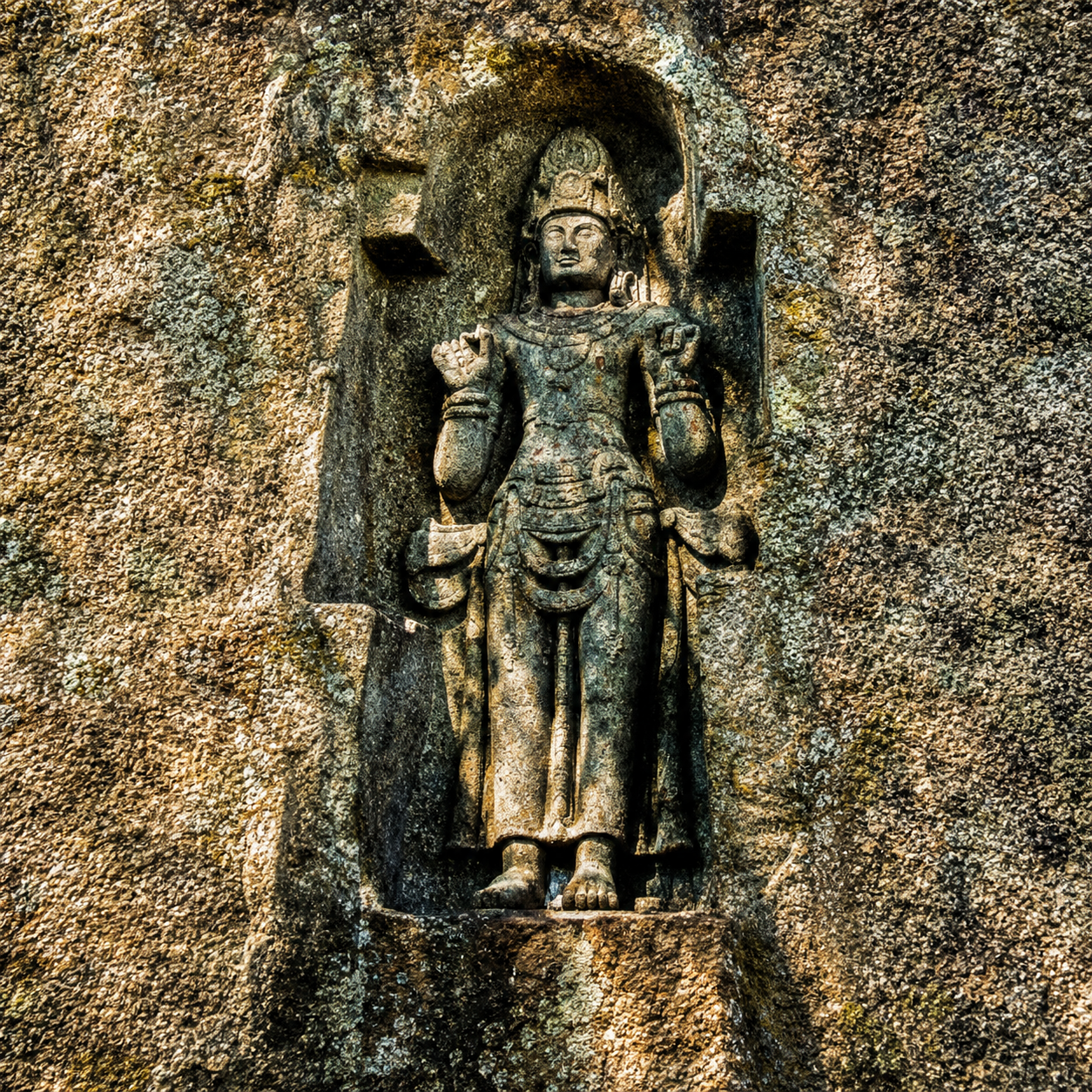
A few minutes inland from the bay stands one of Weligama's most extraordinary cultural landmarks: a monumental figure carved directly into a boulder. The 3.83-metre image is commonly identified as the Bodhisattva Avalokiteshvara. Its exact date remains debated, which makes the site more—not less—interesting: it is evidence of the layered Buddhist history of southern Sri Lanka and of artistic traditions that once travelled across the Indian Ocean world.
Weligama's fishing life and coastal mornings
Before cafés and surf camps define the day, Weligama belongs to working boats, markets and families whose lives are tied to the sea. A morning walk offers a more honest picture of the town than a viewpoint alone. You may see outrigger canoes, boats unloading, nets being handled and fish moving quickly from shore to market.
Midigama — where the surf becomes more serious
Around a ten-minute drive west of Weligama Bay, Midigama changes the pace. Reef breaks and named surf points attract more experienced surfers, while compact beach cafés keep the atmosphere relaxed. Love Sri Lanka highlights Lazy Left as one of the area's notable breaks.
Mirissa — whales, coves and headland views
East of Weligama, Mirissa adds three different experiences: whale-watching trips from the harbour, a lively beach, and photogenic headlands such as Coconut Tree Hill and Parrot Rock. Secret Beach offers a smaller cove, although it is no longer truly secret.
Coconut Tree Hill and Parrot Rock — iconic perspectives
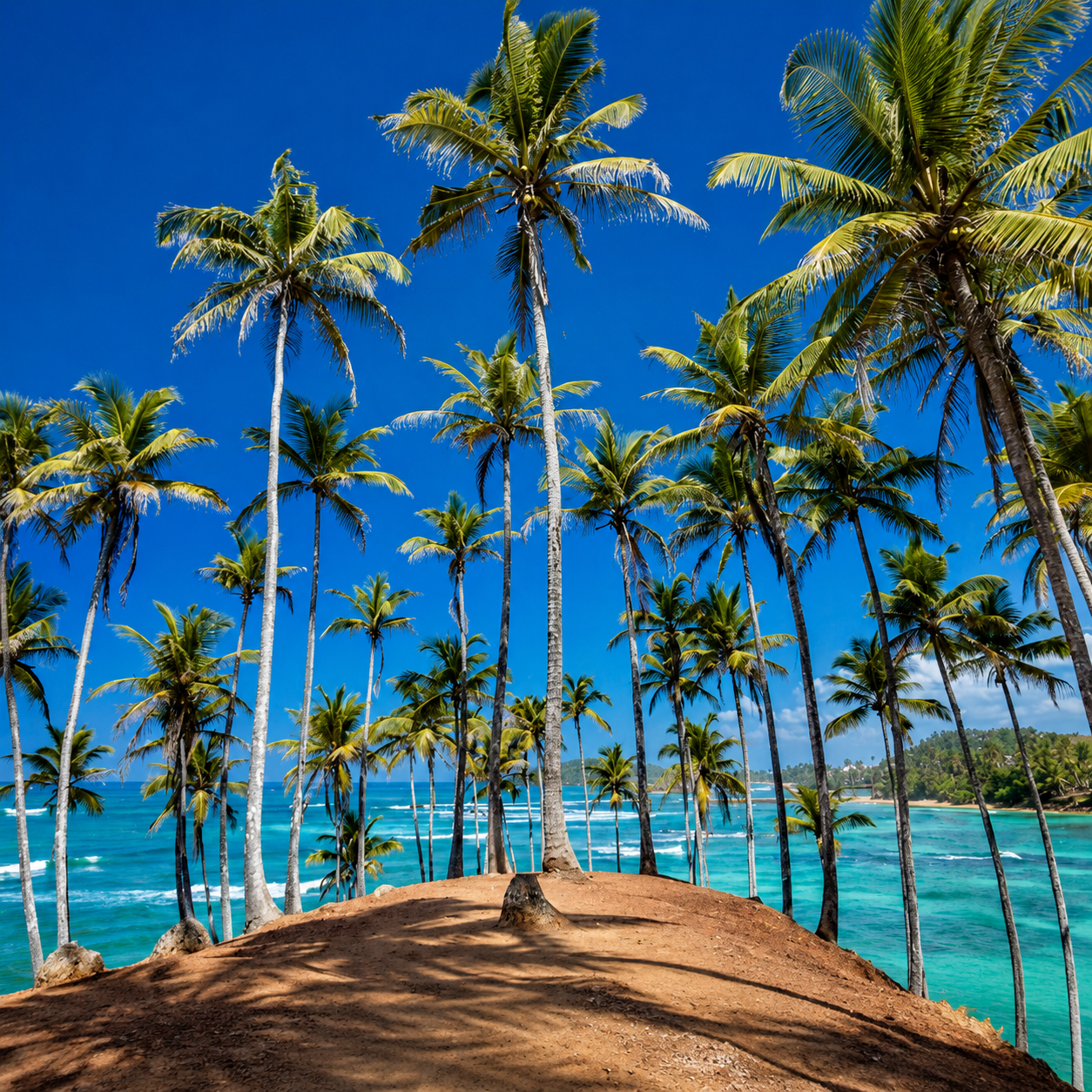
Coconut Tree Hill's red earth, palms and open ocean have made it one of the south coast's most recognised photography locations. Sunrise is usually calmer and less crowded than sunset. Parrot Rock, closer to the centre of Mirissa Beach, gives a compact view back along the crescent of sand.
Galle Fort — history within a day trip
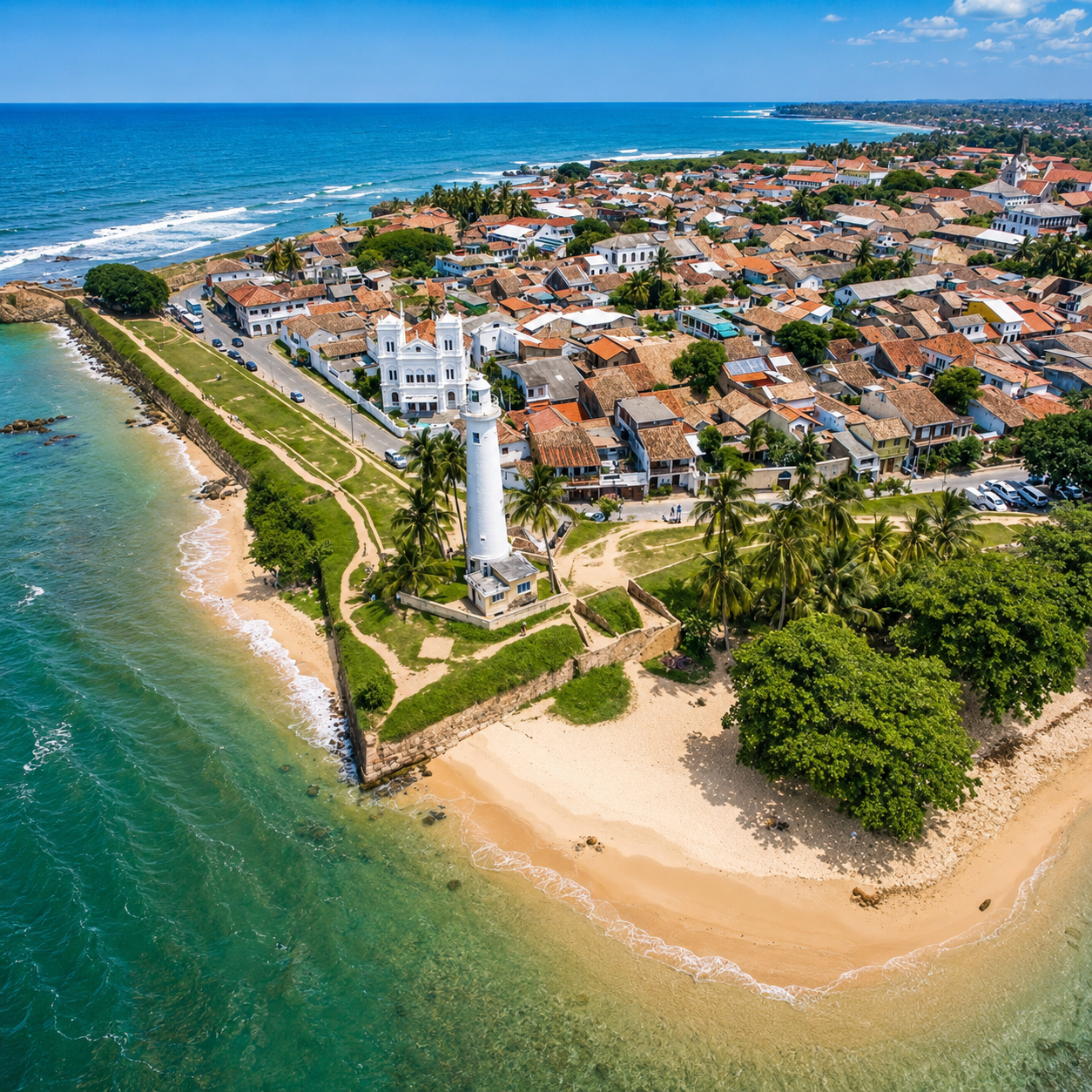
West of Weligama, the UNESCO-listed Galle Fort offers cobbled streets, Dutch colonial architecture, boutique shops and rampart walks above the Indian Ocean. It is one of the most rewarding half-day or full-day excursions from Weligama.
01Weligama Bay — the heart of the town
Weligama Bay is the first landscape most visitors remember: a long sandy curve, fishing craft, surf schools and a horizon that changes colour through the day. Its importance is practical as well as beautiful. The bay has become one of Sri Lanka's best-known places to begin surfing because the waves are often gentler and the bottom is sandy.
Go early for softer light and cooler air, or late in the afternoon when surfers and families gather for sunset. Beginners should book a lesson rather than simply rent a board, listen to local instructors and never enter rough water because a guide describes the bay as "beginner friendly." Sea conditions change daily.
02Taprobane Island — Weligama's postcard
Just offshore, Taprobane looks like a small tropical forest floating on the bay. A villa rises through the foliage, created in the 1930s by Count de Mauny. The island later became associated with writer and composer Paul Bowles, adding literary intrigue to its already cinematic appearance.
Why it matters: Taprobane gives Weligama an identity found nowhere else on the south coast. Photograph it from the public beach, especially in calm morning light or before sunset. The island is privately occupied; access should never be assumed, and any crossing depends on permission, tide and sea conditions.
03Kushtarajagala — the ancient guardian in the rock
A few minutes inland from the bay stands one of Weligama's most extraordinary cultural landmarks: a monumental figure carved directly into a boulder. The 3.83-metre image is commonly identified as the Bodhisattva Avalokiteshvara. Its exact date remains debated, which makes the site more—not less—interesting: it is evidence of the layered Buddhist history of southern Sri Lanka and of artistic traditions that once travelled across the Indian Ocean world.
Visit quietly, dress respectfully and give yourself time to notice the crown, jewellery and carved detail. This is not a large attraction, but it is one of the most meaningful stops in town.
04Weligama's fishing life and coastal mornings
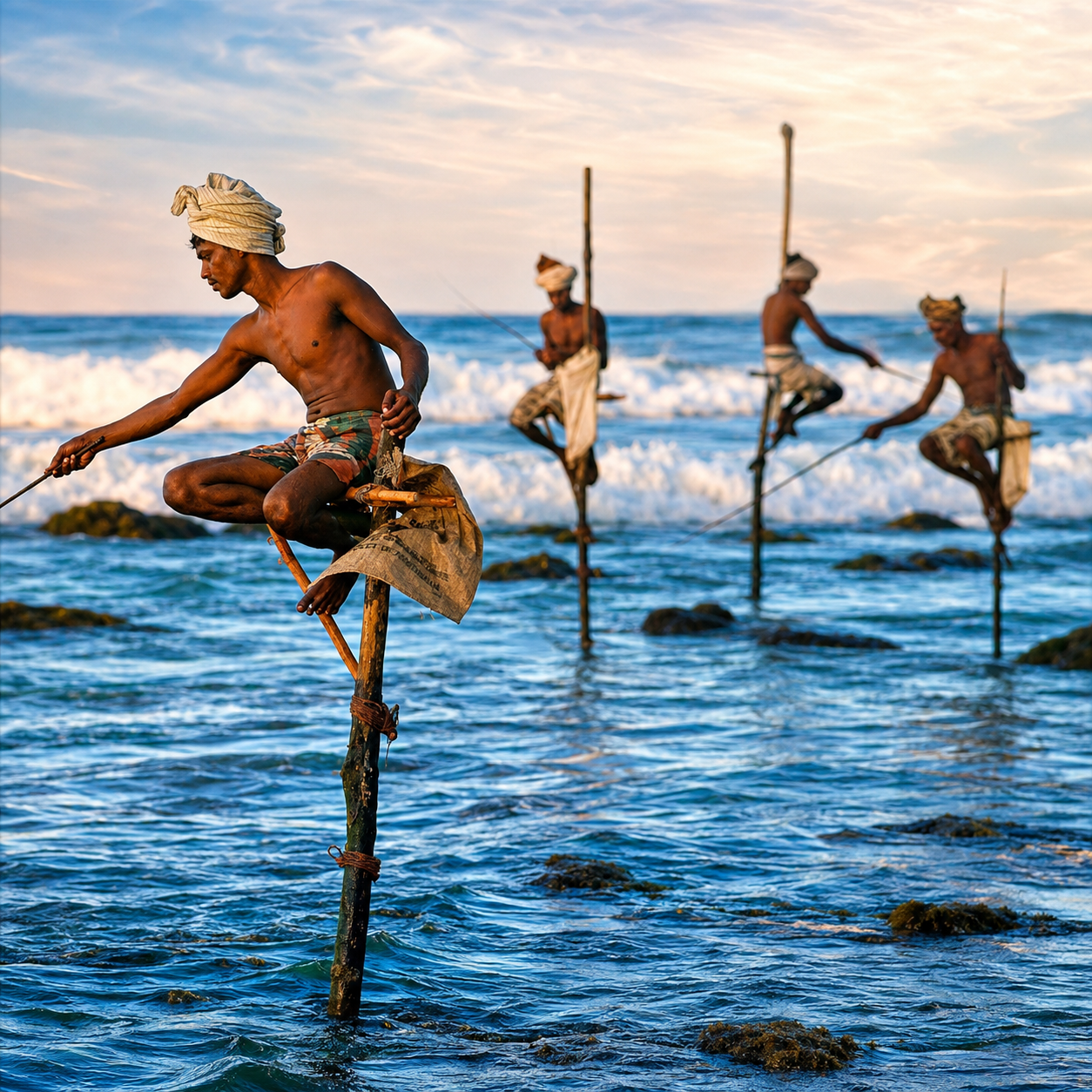
Before cafés and surf camps define the day, Weligama belongs to working boats, markets and families whose lives are tied to the sea. A morning walk offers a more honest picture of the town than a viewpoint alone. You may see outrigger canoes, boats unloading, nets being handled and fish moving quickly from shore to market.
Stilt fishing is one of the south coast's most photographed traditions, particularly west of Weligama toward Midigama, Ahangama and Koggala. Today, some scenes are arranged for visitors. Ask permission, agree on any photography fee before taking portraits and avoid presenting a staged moment as documentary fact.
05Midigama — where the surf becomes more serious
Around a ten-minute drive west of Weligama Bay, Midigama changes the pace. Reef breaks and named surf points attract more experienced surfers, while compact beach cafés keep the atmosphere relaxed. Love Sri Lanka highlights Lazy Left as one of the area's notable breaks.
Why it matters: Midigama shows the natural progression of the south-coast surf journey. Learn in Weligama; watch or advance in Midigama with local guidance. Reef breaks are not suitable for first-time surfers, and conditions should always be checked locally.
06Mirissa — whales, coves and headland views
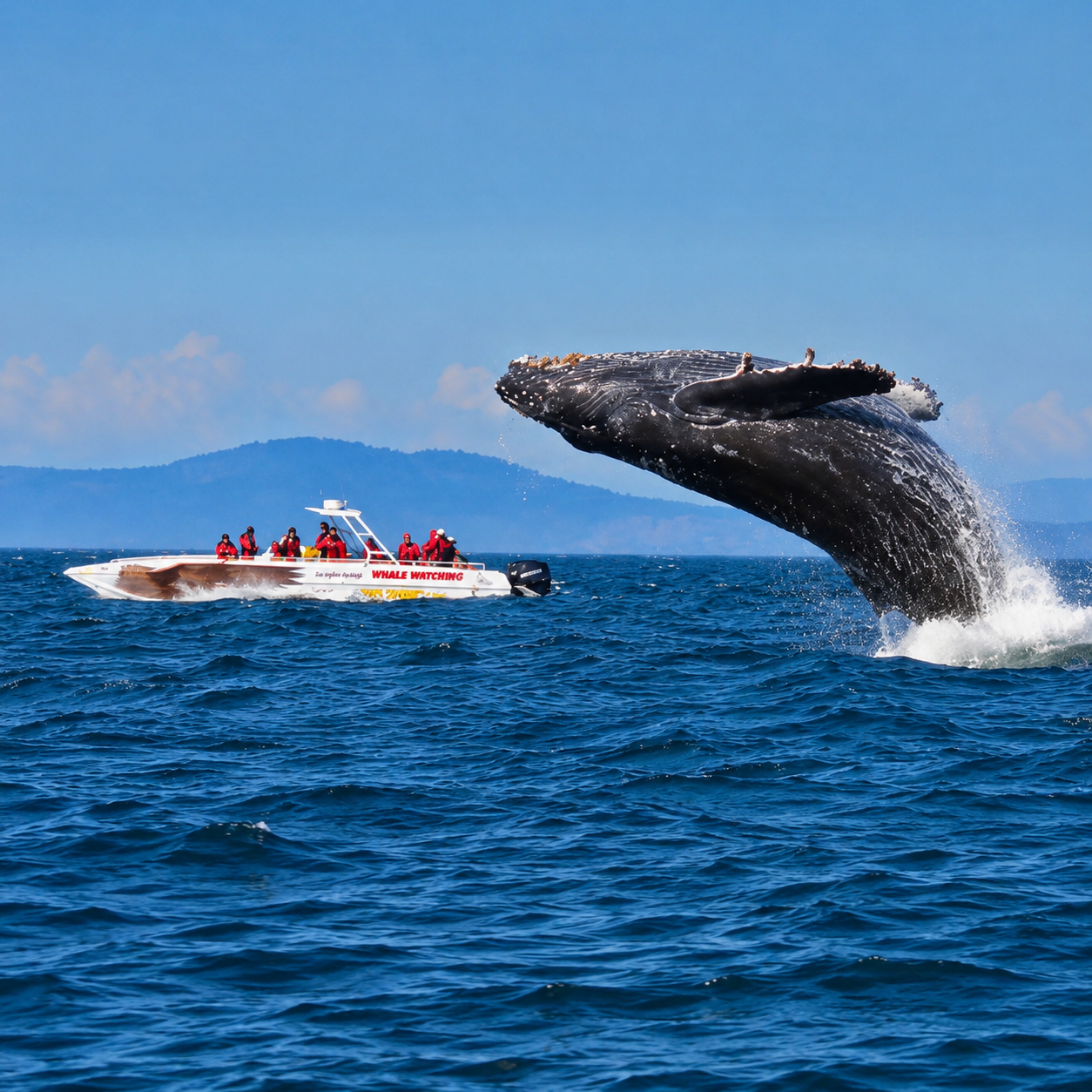
East of Weligama, Mirissa adds three different experiences: whale-watching trips from the harbour, a lively beach, and photogenic headlands such as Coconut Tree Hill and Parrot Rock. Secret Beach offers a smaller cove, although it is no longer truly secret.
The International Whaling Commission identifies Mirissa as one of Sri Lanka's principal whale-watching areas, with blue whales most commonly targeted from roughly December to March. Wildlife is never guaranteed. Choose a properly licensed operator that follows distance, speed and safety rules; responsible tourism protects both passengers and animals.
07Coconut Tree Hill and Parrot Rock — iconic perspectives
Coconut Tree Hill's red earth, palms and open ocean have made it one of the south coast's most recognised photography locations. Sunrise is usually calmer and less crowded than sunset. Parrot Rock, closer to the centre of Mirissa Beach, gives a compact view back along the crescent of sand.
Both locations can become slippery or unsafe in rain, high tide or rough sea conditions. A beautiful photograph is never worth ignoring local warnings.
08Galle Fort — history within a day trip
West of Weligama, the UNESCO-listed Galle Fort offers cobbled streets, Dutch colonial architecture, boutique shops and rampart walks above the Indian Ocean. It is one of the most rewarding half-day or full-day excursions from Weligama.
Allow time to wander without a fixed itinerary—the fort reveals itself through side streets, sunset viewpoints and small museums. Combine with a morning in Weligama and return to Riverwood for a riverside evening.
Riverwood Villa: the riverside day that completes Weligama
This is the day that turns Riverwood from accommodation into memory. A Weligama trip without one slow Riverwood day is a trip that never discovered how peaceful Weligama can be.
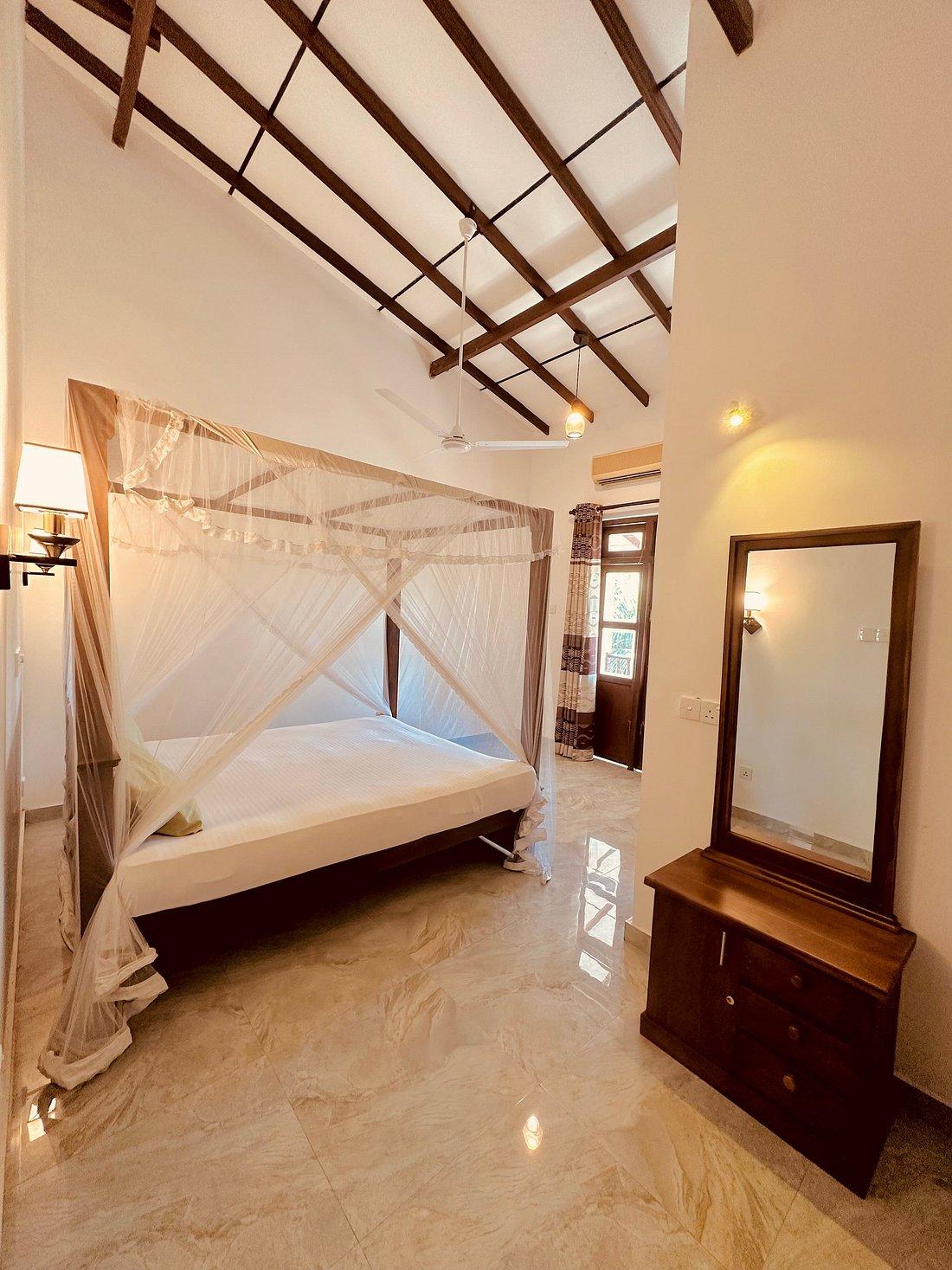
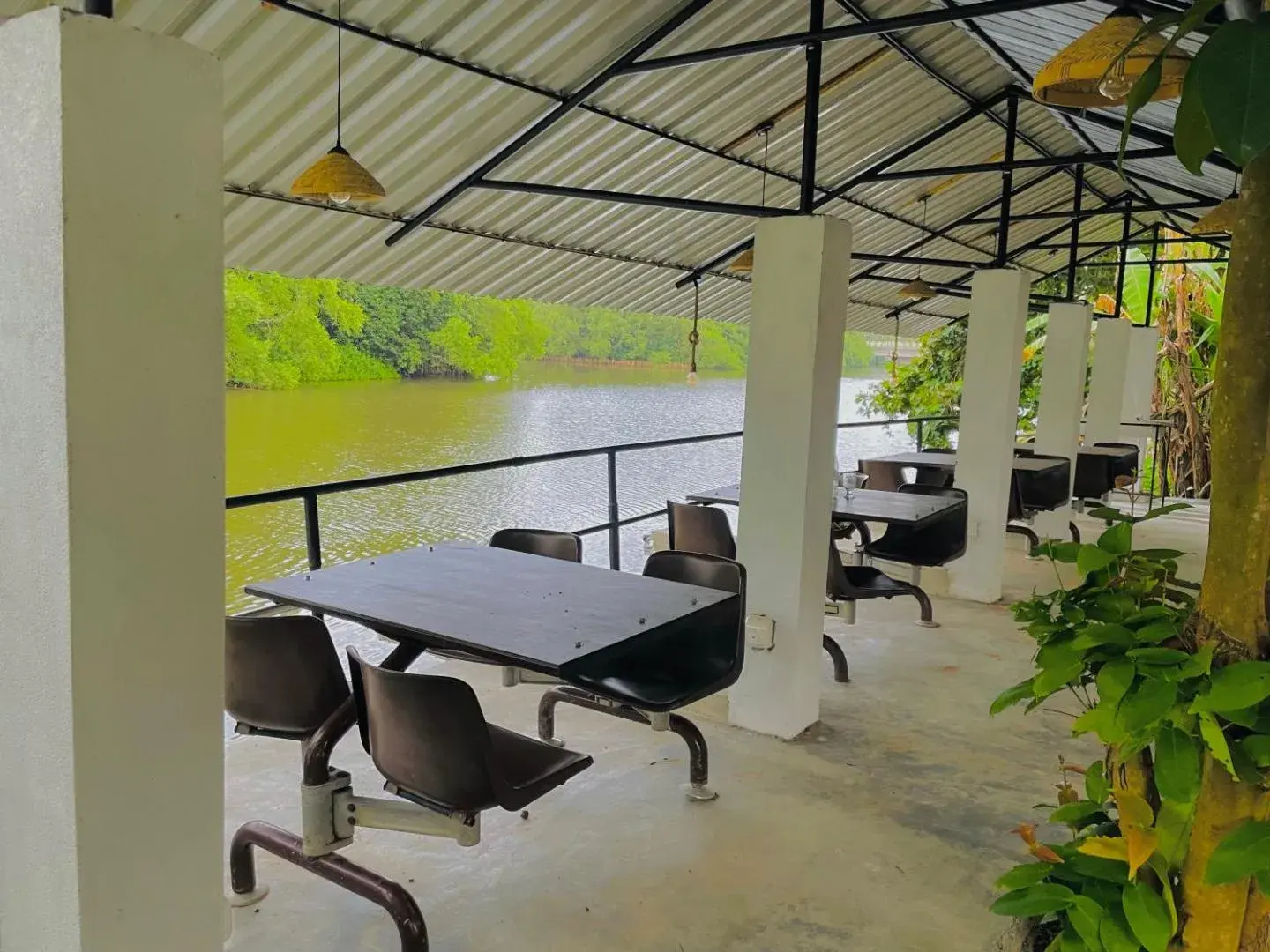
One slow day at Riverwood
Do not treat this as another item on a checklist. This is the day that turns Riverwood from accommodation into memory.
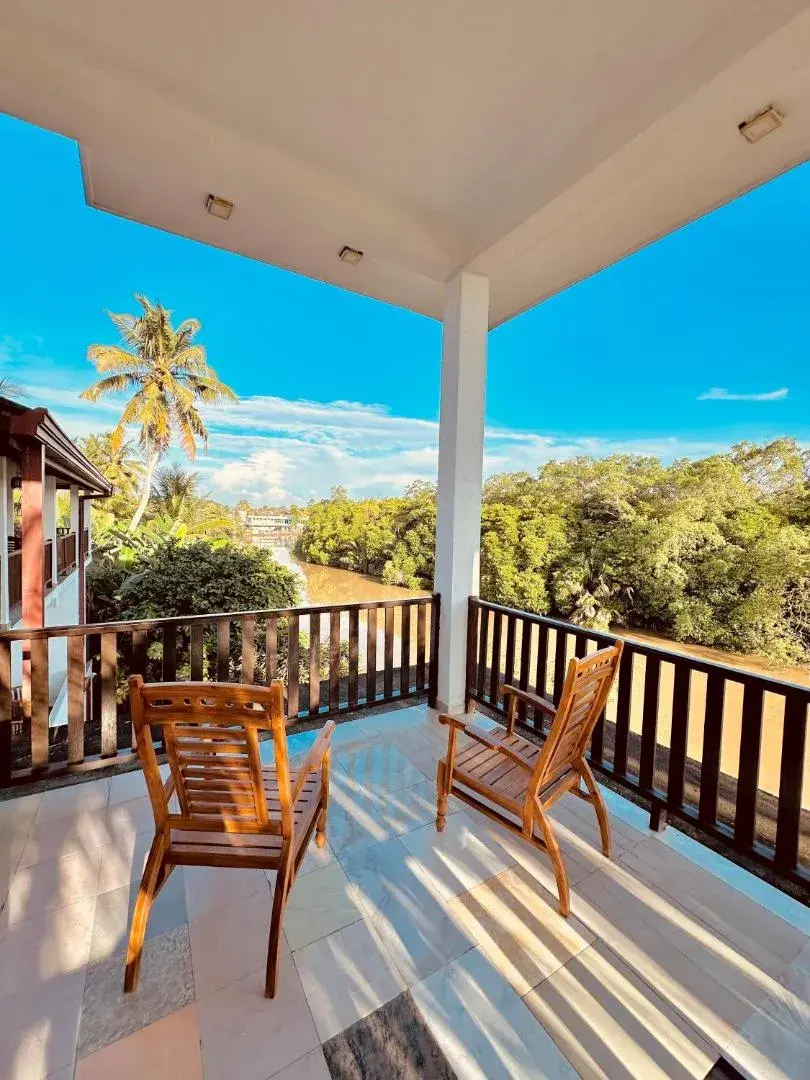
Open the balcony doors
Listen for birds and take breakfast slowly.
Read, work or talk
Without rushing to the beach.
Share lunch in the shade
Watch the river landscape change.
Move to the river edge
Balcony or water's edge as the light warms.
Gather over a hosted meal
Soft music and nowhere else you need to be.
When to visit Weligama
For the south coast, the most reliable planning window for calmer seas, surfing and outdoor days generally runs from October or November through March or April.
Plan for the main south-coast season (October–March) and check daily conditions.
Mirissa's commonly targeted blue-whale period is approximately December to March; sightings are never guaranteed.
Sunrise gives cleaner light and fewer visitors at many coastal viewpoints.
The off-season can feel lush and private, but expect rain, rougher seas and schedule changes.
Travel tips
- Use walking for the bay and central town, and a tuk-tuk or hired vehicle for Midigama, Mirissa, Koggala, Galle and Dondra.
- Obey flags, ask locals about currents and never assume a famous beach is safe every day.
- Cover shoulders and knees at temples, remove footwear where required and keep voices low.
- Choose licensed whale-watching operators and avoid providers that chase or crowd animals.
- Ask before photographing people, especially working fishermen, and agree on any fee first.
- Taprobane Island is private. Photograph from public areas unless access has been expressly arranged.
- Choose one direction per day—west toward Midigama/Galle or east toward Mirissa/Matara—to avoid unnecessary backtracking.
Frequently asked questions
Three days is the useful minimum: one for Weligama itself, one for the west-coast route and one for Mirissa or the eastern coast. Four or five days allows a dedicated Riverwood day, slower surf progression and weather flexibility.
Yes. Weligama Bay is widely recommended for beginners because of its sandy bottom and often gentler waves. Take a lesson, use an appropriate board and follow daily safety advice.
Taprobane is privately occupied. Access is not automatic and varies with permission, tide and sea conditions. The shore view is beautiful and sufficient for most visitors.
Most organised trips depart from nearby Mirissa Harbour. Book only with a licensed, safety-conscious operator, confirm current sea conditions and remember that wildlife sightings cannot be promised.
Choose based on the experience you want. A beachfront room maximises immediate surf access; Riverwood Villa is ideal for travellers who want the beach nearby but prefer a calmer riverside setting, open balconies, hosted meals, gathering space and strong internet connectivity.
See the coast, then stay for the river
Come for the beaches and the famous photographs. Stay for the balcony mornings, shared tables, river air and the moment the day finally becomes quiet. Because the most complete Weligama story is not only about where you went—it is about where you allowed yourself to stop.
No. 47/7, Sri Sambuddathwa Jayanthi Mw, Pelana, Weligama, Sri Lanka
riverwoodvillaweligama.com · +94 76 567 0128 · riverwoodvillaweligama@gmail.com